
Top Benefits of Laser Hair Removal in Utah: What You Need to Know Before Your First Session
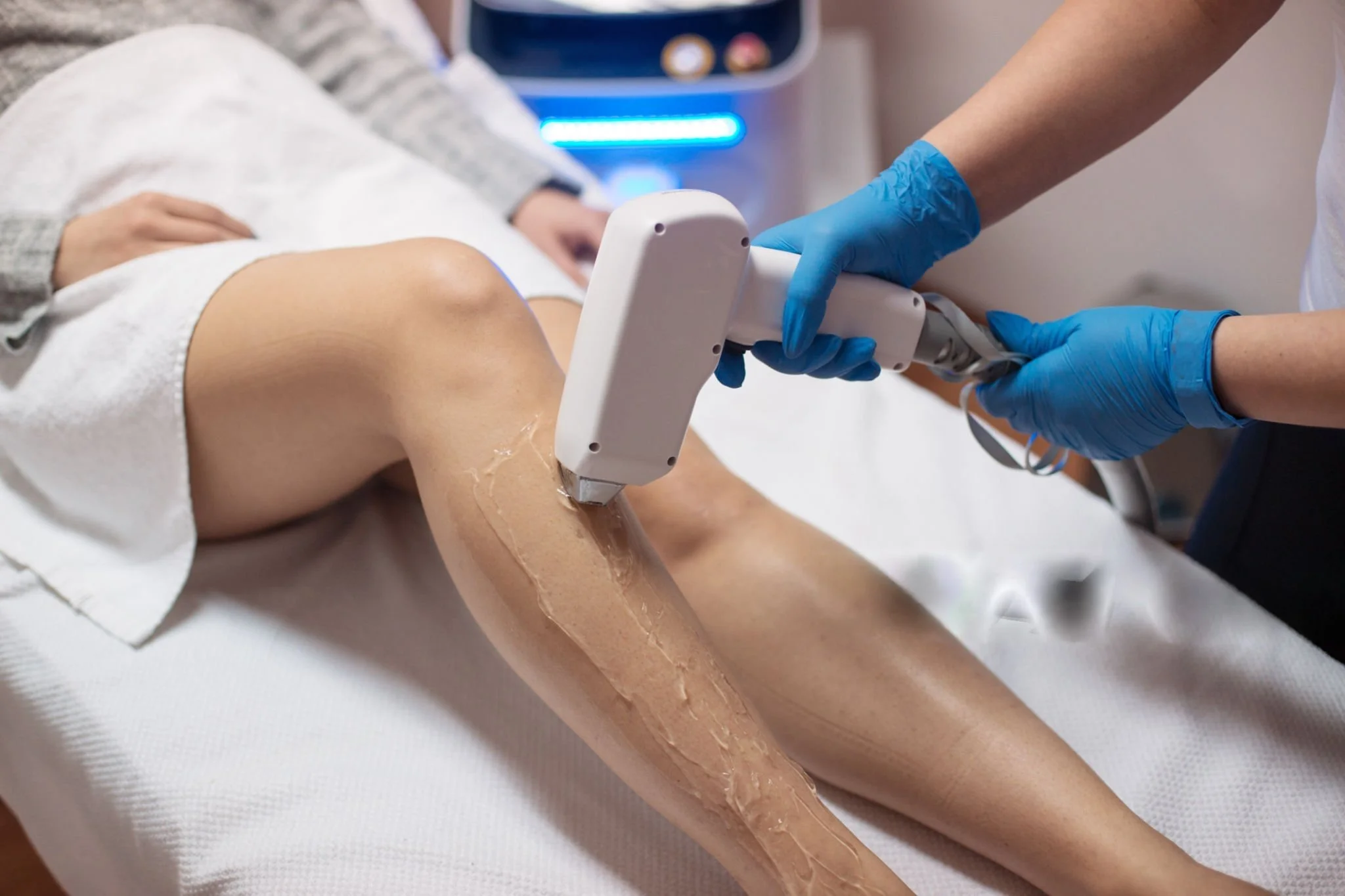
Most people underestimate how much time and money routine hair removal quietly consumes until they add it up. If you shave 2–4 times per week, that can add up to 100+ shaving sessions per year, not including prep time, skin irritation, and replacement razors. In 2026, laser hair removal has become one of the most practical, clinic-supported options for long-term hair reduction, especially in Utah, where the dry climate, active outdoor lifestyles, and seasonal skin exposure make convenience and skin comfort especially important. Many clinics now use FDA-cleared laser devices designed to support safe and effective hair reduction treatments for a variety of skin types.
This guide explains the top benefits of laser treatment for hair removal, what to expect before your first appointment, realistic costs and timelines, how to choose a provider, and how to avoid common mistakes so your laser hair reduction results are safe, smooth, and predictable.
Why laser hair reduction is surging in Utah in 2026
Utah’s growing interest in laser hair reduction is driven by a mix of lifestyle, climate, and technology. Dry air can contribute to shaving irritation and ingrown hairs, while hiking, skiing, gym routines, and summer recreation often push people toward lower-maintenance grooming options. Meanwhile, advances in FDA-cleared laser technologies and improved clinical protocols have helped make treatments more consistent across common treatment areas like legs, underarms, bikini line, back, and face.
From a market standpoint, the trend is not just local. The global hair removal devices market has been valued in the multi-billion-dollar range and is projected to continue growing through the decade. On the clinical side, professional laser systems remain a popular option for long-term hair reduction compared with many at-home tools, especially for coarse hair.
How laser treatment for hair reduction works
Laser hair reduction uses concentrated light to target melanin (pigment) in hair. The energy converts to heat that affects the follicle’s ability to regrow hair over time. Because hair grows in cycles, most laser hair reduction treatments require multiple sessions to target follicles during the active growth phase.
Laser hair reduction vs. long-term hair removal: a realistic definition
Many clinics and providers use the term “long-term” or “permanent hair reduction” rather than permanent hair removal because results can vary from person to person. The goal is typically meaningful, long-lasting reduction in hair growth, not necessarily complete or lifelong elimination. Hormones, genetics, and aging may contribute to some regrowth over time, which is why maintenance sessions may occasionally be recommended.
Why hair color and skin tone matter
Laser systems generally work best when there’s high contrast between hair and skin , but modern FDA-cleared devices have expanded treatment options for deeper skin tones using longer wavelengths and advanced cooling technologies. Very light blonde, red, gray, or white hair may respond less effectively because there is less melanin available to absorb the laser energy.
Evidence snapshot
Across multiple studies and clinical reviews, laser treatments have been associated with substantial long-term hair reduction after a series of sessions, although outcomes vary based on the device used, hair type, skin tone, and treatment area. Some reviews report reductions commonly ranging between 50%–90% after multiple sessions depending on methodology and treatment protocols. These figures should be viewed as general benchmarks rather than guaranteed outcomes.
Top benefits of laser hair reduction
One of the most commonly reported benefits is reduced hair regrowth over time, but many people also appreciate the convenience and potential skin-related benefits. Individuals transitioning from shaving or waxing to laser treatments often report fewer ingrown hairs, less irritation, and a more manageable grooming routine, especially in high-friction areas.
1) Long-term time savings and lower maintenance
Shaving can take several minutes per session depending on the area being treated. Over time, that routine can become time-consuming. With laser hair reduction, patients typically complete a planned series of sessions followed by occasional maintenance treatments if needed.
2) Reduced appearance of ingrown hairs and razor bumps
Ingrown hairs can occur when regrowing hairs curl back into the skin or when inflammation follows traditional hair removal methods. By reducing hair density and thickness, laser treatments may help minimize conditions that contribute to ingrown hairs, particularly in the bikini line, underarms, neck, and beard area.
3) Smoother-feeling skin with less reliance on shaving or waxing
Waxing removes hair from the root and may feel uncomfortable for some individuals, especially those with sensitive skin. Laser treatment sensations vary and are often described as a quick snapping or warming feeling. Many FDA-cleared systems now include integrated cooling features designed to improve comfort during treatment.
4) Improved appearance in high-friction areas
Some individuals notice improvement in the appearance of skin affected by repeated shaving irritation or ingrown hairs once hair growth is reduced. This may be particularly beneficial in areas prone to friction, such as the underarms, bikini line, and thighs.
5) Personalized treatment settings
Professional clinics can customize treatment settings such as fluence, pulse duration, spot size, and cooling levels based on factors like skin tone, hair thickness, and treatment area. This level of personalization is one advantage of professional laser treatments over more generalized at-home options.
What to expect before, during, and after your first session
Your first appointment is typically focused on establishing a safe treatment plan through skin assessment, discussion of medical history, and evaluation of treatment goals. Utah’s dry climate can make pre- and post-treatment skincare especially important, as dehydrated skin may feel more sensitive.
During treatment: comfort, duration, and safety measures
Smaller areas may take only a few minutes, while larger treatment zones such as full legs or back areas may take longer. Protective eyewear is typically used during treatment, and qualified providers often use cooling methods to support comfort. Mild redness or warmth similar to a mild sunburn sensation may occur temporarily after treatment.
Costs, timelines, and overall value
Pricing varies depending on factors such as clinic type, provider experience, treatment area size, and package structure. In Utah, many clinics offer either per-session pricing or bundled treatment packages for multiple sessions.
Typical treatment timeline by area
Hair growth cycles differ depending on the body area being treated. Facial areas may require more frequent sessions initially, while legs and back areas are often spaced further apart. Many individuals begin noticing reduced or patchy regrowth after several sessions, with more visible long-term reduction developing gradually over time. For many patients, laser hair reduction can also become part of a broader women health wellness routine focused on confidence, comfort, and personal care.
How to choose a laser hair reduction provider safely
Laser hair reduction is widely available, but it still involves medical-grade energy devices and should be performed by trained professionals. Temporary redness, mild swelling around hair follicles, and short-term sensitivity are among the more common side effects. Less common risks such as burns, blistering, or temporary pigmentation changes may occur, particularly when treatments are performed incorrectly or on recently tanned skin. Choosing a qualified provider is an important step in supporting both skin safety and overall women health wellness goals.
Considerations for darker skin tones
Darker skin tones can often be treated safely using appropriate FDA-cleared devices and experienced providers. Important factors include conservative treatment settings, longer wavelengths, advanced cooling systems, and proper sun protection. Patients may benefit from asking providers about their experience treating different Fitzpatrick skin types and the protocols they use to help minimize pigmentation-related risks. Safe and personalized care plays a valuable role in modern women health wellness practices.
If you’re pregnant or breastfeeding
Many clinics avoid elective laser hair reduction treatments during pregnancy due to limited safety research and hormone-related changes in hair growth patterns. Breastfeeding recommendations may vary depending on the provider and treatment area. It’s best to consult your OB-GYN and choose a provider who follows conservative, evidence-informed protocols and uses FDA-cleared devices where appropriate.
If you have PCOS or hormone-related hair growth
PCOS-related facial or body hair may respond well to laser hair reduction treatments, although maintenance sessions may be needed because hormonal fluctuations can continue stimulating hair follicles over time. In many cases, a combined approach involving medical management and laser treatments may support more consistent long-term hair reduction outcomes.
If you use retinoids, isotretinoin, or photosensitive medications
Topical retinoids may increase temporary skin sensitivity and irritation risk before or after treatment. Isotretinoin has historically required additional caution due to potential skin fragility and healing concerns, although protocols vary by clinic and evolving clinical guidance. Always disclose all medications to your provider and follow any recommended pre-treatment guidelines.
Common mistakes to avoid
Many disappointing laser hair reduction experiences are linked to a few common issues, such as unrealistic expectations, inconsistent treatment schedules, excess sun exposure, or treatment settings that are not properly customized. Choosing a qualified provider and following aftercare instructions can help support safer and more effective treatment outcomes.
Mistake 1: Waxing or plucking between sessions
Waxing and plucking remove the hair follicle, which is the structure targeted during laser treatment. Shaving is usually the preferred method between sessions because it leaves the follicle intact for future treatments. Ask your provider when to shave before your appointment.
Mistake 2: Treating recently tanned skin
Recent tanning increases melanin levels in the skin, which may raise the risk of irritation, burns, or temporary pigmentation changes during treatment. Planning sessions around outdoor activities and using daily SPF on treated areas can help support safer treatment conditions.
Mistake 3: Inconsistent scheduling or stopping treatment too early
Hair growth cycles play an important role in treatment timing. Skipping sessions or discontinuing treatment too early may reduce the likelihood of achieving meaningful long-term hair reduction. Many providers recommend completing the full treatment plan before evaluating results.
Mistake 4: Choosing providers based only on price
Lower pricing is not always a concern, but patients should still evaluate provider qualifications, device quality, safety protocols, and experience treating different skin types. Ask whether the clinic performs test spots, documents treatment settings, and uses FDA-cleared laser systems.
Mistake 5: Neglecting skin-barrier care in Utah’s dry climate
Over-exfoliating, using harsh skincare products, or skipping moisturizers may leave the skin feeling more reactive before or after treatment. Gentle cleansers, fragrance-free moisturizers, and limiting strong exfoliants around treatment dates may help support skin comfort.
What’s changed in 2026: technology, protocols, and consumer trends
In 2026, laser hair reduction treatments have become increasingly personalized, with clinics focusing on matching the appropriate device and treatment settings to each individual’s skin tone, hair type, and treatment goals. Many FDA-cleared systems now include advanced cooling technologies, faster treatment speeds, and more customizable settings designed to support comfort and treatment consistency.
Consumer expectations have also shifted toward greater transparency. Patients increasingly want information about the exact device being used, provider experience, expected treatment timelines, and realistic outcome ranges rather than guaranteed results.
Trend 1: More inclusive treatment planning for different skin tones
Longer-wavelength technologies and improved provider training have expanded treatment options for deeper skin tones. Many clinics now use test spots and gradual treatment adjustments to help minimize the risk of pigmentation-related side effects.
Trend 2: Improved comfort-focused treatment approaches
Integrated cooling systems, cold-air devices, and updated treatment techniques have helped improve comfort during sessions while reducing reliance on aggressive numbing methods.
Trend 3: More flexible package and maintenance options
Many clinics now offer bundled sessions, financing plans, and optional maintenance programs for future touch-ups. Transparent clinics typically explain what is included in the package and whether additional sessions may be recommended based on individual response.
Trend 4: Increased emphasis on documentation and safety
More providers now track treatment settings, skin reactions, and session history to support continuity of care and treatment customization over time. Standardized aftercare guidance has also become more common.
Conclusion
Laser hair reduction tends to be most effective when approached as a structured treatment plan rather than a one-time appointment. With an appropriate treatment schedule, qualified providers, FDA-cleared devices, and consistent aftercare, many individuals experience meaningful long-term hair reduction and greater convenience in areas prone to frequent shaving or irritation. Individual outcomes can vary depending on factors such as skin tone, hair type, hormones, and adherence to the recommended treatment plan.
Next step: book consultations with 2–3 Utah providers, ask what laser platform they use for your skin tone, request a written session plan and total cost estimate, and start with a test spot if you have any sensitivity or pigmentation concerns. Done right, laser treatment for hair removal becomes one of the most “set it and forget it” upgrades you can make to your routine in 2026. Contact us today to schedule your consultation and take the first step toward smoother, low-maintenance skin.
Disclaimer: Results from laser hair reduction treatments can vary based on individual factors such as skin tone, hair type, hormones, and treatment consistency. This content is intended for general educational purposes and should not replace professional medical advice or a personalized consultation.
Frequently asked questions
-
Most clinics recommend shaving the treatment area 12–24 hours before your appointment unless instructed otherwise. Arrive with clean skin free from lotions, oils, deodorant, or makeup. It’s also important to avoid tanning and self-tanner for at least 1–2 weeks beforehand, as increased skin pigment may raise the risk of irritation or pigmentation changes. Be sure to disclose all medications, skincare products, and active ingredients to your provider before treatment.
-
Laser treatment is more accurately described as long-term hair reduction rather than guaranteed permanent hair removal. Many individuals experience a noticeable reduction in hair density and thickness after a series of treatments, although some regrowth may occur over time due to factors such as hormones, genetics, and aging. Periodic maintenance sessions are commonly recommended for certain treatment areas.
-
Treatment sensations vary depending on the area being treated and individual sensitivity, but many people describe the feeling as a quick snap or warming sensation on the skin. Many modern FDA-cleared laser systems include integrated cooling technologies designed to improve comfort during treatment. Patients concerned about discomfort can ask their provider about test spots, cooling methods, or whether topical numbing options may be appropriate.
-
Yes, laser hair reduction can often be performed safely on darker skin tones when appropriate FDA-cleared devices and customized settings are used by experienced providers. Longer-wavelength laser technologies are commonly selected for deeper skin tones to help reduce the risk of pigmentation changes. Patients should ask providers about their experience treating different skin types and the safety protocols they follow. Sun protection and avoiding recent tanning remain especially important.
-
Treatment outcomes can vary based on several factors, including hair color, skin tone, device selection, treatment consistency, hormonal influences such as PCOS, and individual response to treatment. In some cases, overly conservative settings or stopping treatment before completing the recommended series may affect results. A consultation, patch test when appropriate, and a personalized treatment plan can help set realistic expectations for long-term hair reduction.
