
Injectable Treatments in North Logan UT: A Complete Guide to Safe and Natural Results
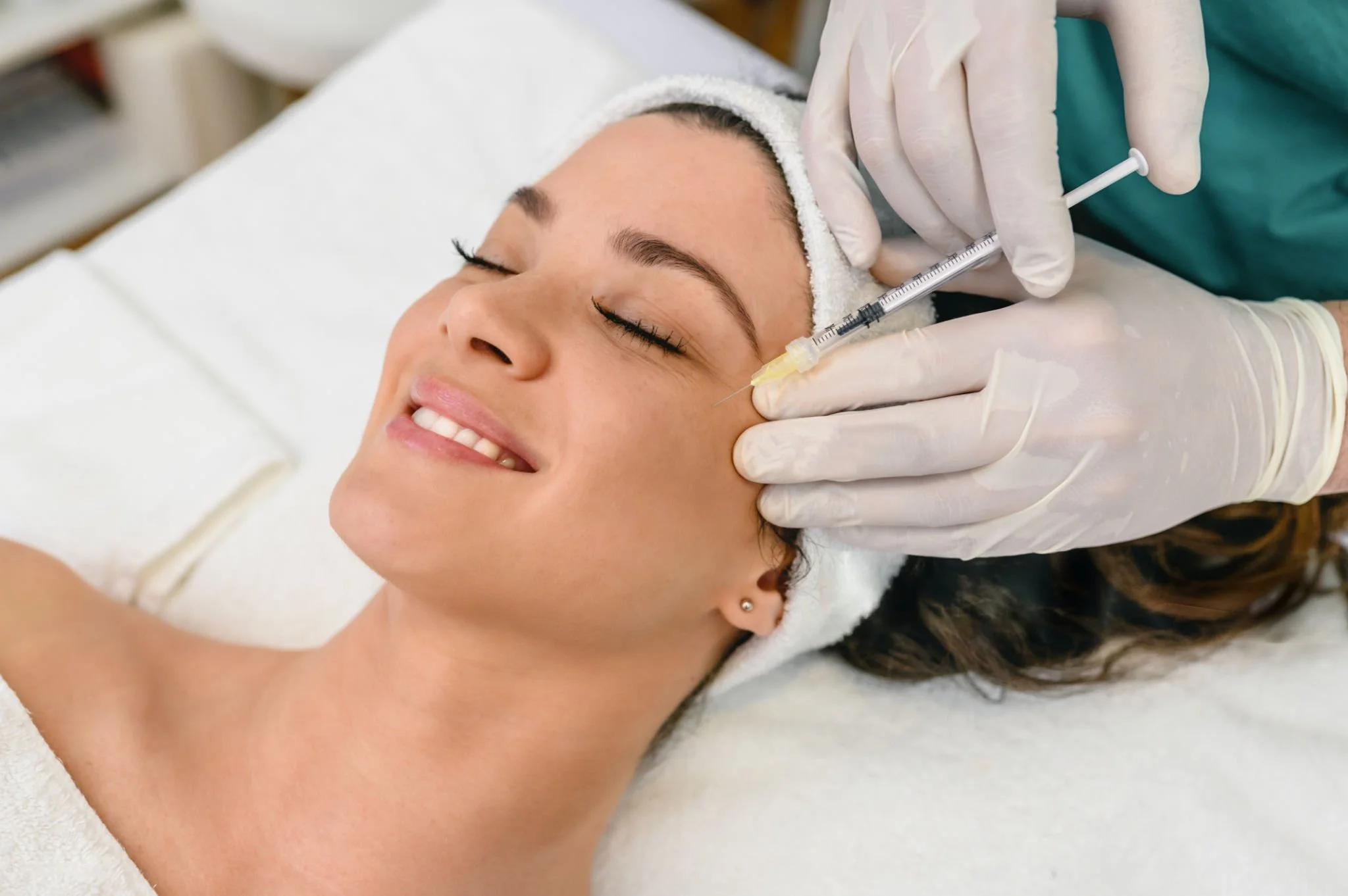
In 2026, the question is less about whether injectables are widely used and more about how to achieve safe, natural-looking results with an individualized treatment plan, appropriate products, and an experienced injector. Demand for minimally invasive aesthetic treatments remains strong because they typically involve minimal downtime and can often be tailored to a person’s facial structure and cosmetic goals. If you’ve searched for “Botox and fillers near me” in North Logan, UT, this guide can help you make informed decisions and better understand factors that may influence treatment outcomes.
You’ll learn how botox and fillers differ, what “natural” really means clinically, what to ask at a consultation, realistic costs and timelines, and what’s changing in 2026 from preventative “baby Botox” to ultrasound-assisted filler safety protocols.
Understanding injectables: Botox vs. dermal fillers
“Injectables” is a broad term that commonly includes neuromodulators and dermal fillers. While both are used in cosmetic treatments to help refresh facial appearance, they work differently and are typically selected based on individual goals, facial anatomy, and provider recommendations.
What Botox does
Botox is an FDA-approved neuromodulator that works by temporarily relaxing targeted facial muscles to reduce the appearance of dynamic expression lines. Common treatment areas include forehead lines, frown lines between the brows (“11s”), and crow’s feet around the eyes. In some cases, providers may also use Botox for cosmetic concerns such as a subtle brow lift effect, gummy smile appearance, or jawline contouring.
Results and duration can vary from person to person depending on factors such as dosage, muscle activity, metabolism, and treatment technique. The goal for many patients is a softer, more refreshed appearance while still maintaining natural facial movement.
Botox is not designed to restore facial volume. Concerns such as hollow under-eyes, volume loss in the cheeks, or lip enhancement are typically addressed with dermal filler treatments instead.
What fillers do
Dermal fillers are injectable products designed to add or restore facial volume, support facial contours, and enhance specific facial features. One of the most commonly used categories includes hyaluronic acid (HA) fillers, many of which are FDA-approved for specific cosmetic uses. Some HA fillers can also be adjusted or dissolved using hyaluronidase if medically appropriate, which is one reason they are often selected for areas such as the lips or mid-face.
Natural-looking results generally depend on several factors, including product selection, injection technique, treatment depth, facial proportions, and a conservative treatment approach. Overfilled results may occur when excessive product is used or when treatments focus repeatedly on one area without considering overall facial balance.
Most popular injectable treatments in North Logan, UT
Patients in Northern Utah often seek cosmetic injectable treatments that support a refreshed, balanced appearance with minimal interruption to daily activities. Many of the most commonly requested treatments are chosen because they typically involve limited downtime and can be customized based on individual treatment goals.
Botox for forehead lines, frown lines, and crow’s feet
These are among the most frequently treated Botox areas. Many patients seek a smoother, softer appearance while still maintaining natural expression and movement. Initial effects may begin appearing within several days after treatment, although timing and results vary by individual. Full results are often evaluated around two weeks after treatment.
Fillers for lip: shaping, hydration, and proportion
Fillers for lip can add volume, define the border, correct asymmetry, and improve lip hydration/texture. The most natural lip results often come from small amounts placed precisely, with staged follow-ups rather than a full syringe in one session especially if you’re new to lip filler.
Lip flip in Utah: when subtle Botox treatment may be preferred over additional filler
A lip flip typically uses small amounts of FDA-approved Botox around the upper lip muscle to create a subtle outward roll of the lip. This approach may make the upper lip appear slightly more visible when smiling without significantly increasing volume. It is often considered by patients seeking a modest enhancement, although it may not provide the same level of volume as dermal filler treatments.
Chin and jawline refinement
Chin projection and jawline contouring can help improve overall facial balance and proportions. Depending on individual anatomy and treatment goals, providers may use dermal fillers to enhance structure and Botox to soften or slim the masseter muscles. For some individuals who clench or grind their teeth, masseter Botox may also help reduce muscle tension. Results vary based on facial anatomy, product selection, and treatment approach.
Under-eye concerns: a conservative approach matters
In women health wellness, tear trough filler may improve the appearance of under-eye hollowness in appropriate candidates, but it is not suitable for everyone. The under-eye area has complex anatomy, and factors such as swelling tendencies, skin thickness, and product selection play an important role in treatment planning. Many experienced injectors now prioritize conservative placement, careful patient screening, and gradual treatment strategies to support more natural-looking outcomes.
Safety first: how to choose the right injector and clinic
When searching for “Botox and fillers near me,” especially as part of women health wellness, provider experience, safety protocols, and treatment philosophy are often more important than convenience alone. Natural-looking outcomes and patient safety are closely tied to injector training, facial anatomy knowledge, and a conservative treatment approach.
Credentials and training that matter
Patients focused on women health wellness should consider whether providers have experience with FDA-approved injectable products, ongoing aesthetic training, and established safety protocols. While serious complications are considered uncommon, they can occur with injectable treatments. For dermal fillers, rare vascular occlusion events have been documented in medical literature. Reputable clinics generally maintain emergency protocols, informed consent processes, and follow-up care procedures to help manage potential risks appropriately.
Typical timelines and longevity
Botox results are temporary and may last approximately 3–4 months for many individuals, although duration can vary depending on factors such as metabolism, dosage, muscle activity, and treatment area. Hyaluronic acid (HA) fillers may last anywhere from 6–18 months depending on the specific product used, placement technique, and individual lifestyle factors.
Maintenance schedules differ from person to person, and long-term treatment plans are usually customized according to aesthetic goals and patient response over time.
Building a natural-looking treatment plan
Many experienced injectors take a gradual, balanced approach to cosmetic injectables. Rather than focusing on dramatic changes in a single session, treatment plans are often designed to support facial harmony and subtle enhancement over time.
Step 1: Define your goals and priorities
Patients are often encouraged to identify the facial features they want to preserve, such as natural smile movement, brow expression, or facial proportions. Reference photos and open discussion can help providers better understand treatment preferences and aesthetic goals.
Step 2: Focus on facial balance before isolated enhancements
In some cases, improving structural support in areas such as the cheeks or chin may help create better overall facial balance without relying on excessive filler in one area. This conservative approach may reduce the likelihood of an overfilled appearance.
Step 3: Start conservatively and reassess
For first-time filler patients, many providers prefer conservative initial treatment followed by reassessment after swelling settles. Follow-up visits can allow for gradual refinement when appropriate and may help reduce the risk of overcorrection.
Step 4: Maintain results with a personalized schedule
Long-term satisfaction with injectables often depends on consistency, moderation, and individualized treatment intervals rather than frequent or aggressive treatments. Providers may recommend maintenance schedules based on how each patient responds over time.
Common mistakes to avoid
Many injectable-related concerns stem from unrealistic expectations, rushed decisions, trend-driven requests, or treatments that do not account for facial anatomy and balance. Working with an experienced provider and maintaining realistic expectations can help support safer, more natural-looking outcomes.
What if I don’t like my results?
Botox effects are temporary and generally wear off gradually over time. Minor asymmetries may improve as swelling resolves or may be adjusted during a follow-up appointment if clinically appropriate. Some hyaluronic acid fillers may also be adjusted or dissolved using hyaluronidase when medically indicated. Patients should contact their injector directly if they have concerns rather than attempting self-treatment or relying on non-professional advice.
Trends, safety upgrades, and “undetectable” aesthetics
In 2026, cosmetic injectables continue evolving toward more natural-looking, skin-focused outcomes combined with increased emphasis on safety and individualized treatment planning. Many patients now seek subtle enhancements that look balanced both in person and on high-resolution cameras.
Trend 1: Preventive and low-dose neuromodulator treatments
Some younger patients are exploring lower-dose Botox approaches, often referred to as “baby Botox,” to soften strong facial expressions while preserving natural movement. Treatment suitability and results vary depending on individual anatomy and goals.
Trend 2: Combination treatment plans
Natural-looking cosmetic outcomes increasingly involve combining modest Botox treatment with conservative filler placement and skin-quality treatments. Providers often focus on overall facial harmony rather than treating a single wrinkle or feature in isolation.
Trend 3: More discussion around filler longevity and “de-filling”
Growing awareness around “filler fatigue” has encouraged many providers to use more conservative treatment plans and reassess older filler placements before adding additional volume. Some patients may choose to dissolve existing filler before rebuilding a treatment plan gradually.
Trend 4: Enhanced safety standards and documentation
Many clinics now emphasize detailed consultations, informed consent, standardized photography, and complication preparedness as part of routine care. Safety education and complication management training have also become more widely discussed within the aesthetics industry.
Bottom line for 2026
The most appropriate injectable treatment plan is one that aligns with your facial anatomy, treatment goals, comfort level, and long-term preferences. Safe, natural-looking outcomes are typically supported by individualized planning, conservative dosing, realistic expectations, and experienced providers using FDA-approved products where appropriate.
Conclusion: a thoughtful approach to natural-looking results in North Logan
Natural-looking injectable outcomes are usually the result of careful planning rather than dramatic one-time changes. In North Logan, many patients prioritize experienced injectors, FDA-approved products, personalized treatment strategies, and conservative techniques to support balanced facial enhancement. Realistic expectations, safety-focused care, and gradual treatment planning can help patients maintain refreshed, subtle results over time.
Ready to take the next step? Contact us today to schedule your personalized consultation. Our experienced team will guide you through the safest options for Botox and fillers, answer your questions, and create a treatment plan designed specifically for you.
Disclaimer: This content is for educational purposes only and does not constitute medical advice. Treatment suitability, risks, and outcomes vary by individual. Please consult a qualified healthcare provider to determine what treatment may be appropriate for you.
Frequently asked questions
-
Injectables include Botox and fillers. Botox relaxes muscles causing lines, while fillers restore volume. Choice depends on whether concern is wrinkles, volume loss, or both. A consultation helps decide the right treatment.
-
Choose a licensed medical injector with experience, good reviews, and before/after results. Ask about FDA-approved products, safety protocols, and follow-up care. Avoid choosing only based on low price or convenience.
-
Botox usually starts in 3–5 days, with full results in 10–14 days. Effects typically last about 3–4 months, depending on metabolism, dose, and area treated. Maintenance is needed for continued results.
-
Lip fillers last about 6–12 months. Results depend on product and technique. Natural results come from small, gradual enhancements. Temporary swelling may occur in the first few days.
-
A lip flip uses small Botox doses to slightly roll the upper lip outward. It gives subtle enhancement but no added volume like filler. It’s best for mild change or testing results before filler.
