
PRF Scalp Injections: What Should You Expect During and After Treatment?
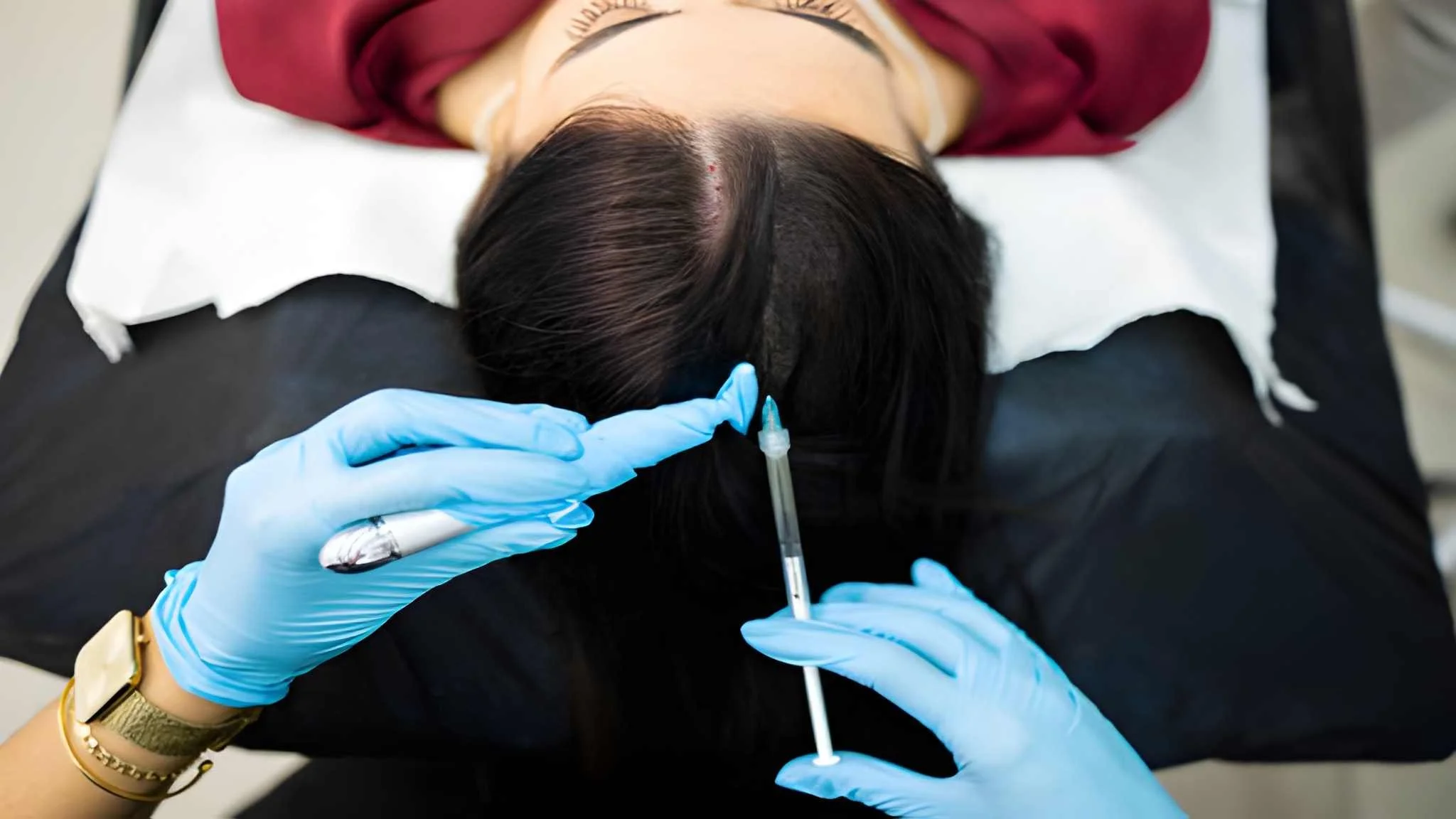
Thinning hair can be stressful. Many adults try shampoos, supplements, and styling tricks before they start looking at in-office options. If you are reading about PRF, you probably have a few practical questions. How long does the visit take? Does it hurt? What should you do afterward? Most of all, you may want to know what to expect after PRF scalp injections.
This guide walks through the whole experience in plain language. It covers the consultation, the injection process, recovery, the timeline, and realistic expectations. It does not promise results, because results vary from person to person. The goal is to help you decide whether PRF scalp injections are worth discussing with a provider.
What Are PRF Scalp Injections?
PRF stands for platelet-rich fibrin. It is a preparation made from your own blood. A small amount is drawn, then spun in a centrifuge to separate its parts. The portion that contains platelets and a fibrin matrix is collected and used for treatment.
How PRF Differs From PRP
You may also have heard of PRP, or platelet-rich plasma. Both start with a blood draw. The difference is in how the blood is processed. PRP is usually spun at higher speeds and often uses an anticoagulant to keep the blood from clotting. PRF is usually spun at lower speeds and often does not need an additive. At Refined, PRF is prepared without anticoagulants, and the clinic says the fibrin matrix releases growth factors slowly after injection.
Why People Consider PRF Injections for Hair Loss
Hair grows in cycles. Each follicle moves through a growth phase, a short transition phase, and a resting phase. When more follicles than normal stay in the resting phase, hair can look thinner.
The idea behind PRF injections for hair loss is that growth factors may support the scalp environment around the follicle. The research on this is still growing. Studies on platelet-based treatments for hair have shown mixed or modest findings, and the methods used vary a lot. This is why an honest conversation about expectations matters.
According to Refined, PRF scalp injections are offered to people with androgenetic alopecia (male or female pattern hair loss), general thinning or reduced volume, and for maintenance after a hair transplant.
Is PRF Right for You? The Consultation
A good treatment starts with a good consultation. This visit is your chance to ask questions and for the provider to learn about your history. Refined offers a free 15-minute injection consultation to talk through your concerns and a plan.
What Your Provider Will Ask
Expect questions about when the thinning began, how fast it is changing, and whether hair loss runs in your family. You may be asked about medications, supplements, recent illness, stress, diet, and hair care habits. The provider will also look at your scalp and hair pattern.
Many things can cause hair thinning. Examples include hormone changes, thyroid problems, low iron, certain medications, stress, and pattern hair loss. In some cases, a medical workup is needed first. If your provider suspects an underlying health issue, they may suggest you see your primary doctor or a dermatologist before starting treatment.
Who May Not Be a Good Candidate
PRF may not be suitable for everyone. Your provider may advise against it, or ask for medical clearance, if you:
Have an active scalp infection or open sores
Have a blood or clotting disorder
Take blood thinners
Have certain autoimmune or skin conditions affecting the scalp
Are pregnant or breastfeeding
Have a condition that affects healing
This is not a complete list. Share your full medical history so your provider can decide what is safe for you.
The Scalp Is Skin Too
Your scalp is skin, and its condition affects how hair grows. Dryness, flaking, inflammation, and buildup can all play a role. This is where general skin health comes into the picture. Some providers will look at the scalp surface and talk about basic scalp care along with any injections.
Questions Worth Asking
What is the likely cause of my thinning?
Is PRF a reasonable option for my pattern of hair loss?
How many sessions might I need, and how far apart?
What are the risks and common side effects?
How will we measure whether it is working?
What should I avoid before and after treatment?
How to Prepare for Your Appointment
Preparation is simple, but it affects how smooth the visit feels. Your provider will give specific instructions, and you should follow those first. These general tips are common.
Before the Visit
Drink water. Good hydration can make the blood draw easier.
Eat a light meal. A blood draw on an empty stomach can make some people lightheaded.
Ask about medications and supplements. Some products, such as aspirin, certain anti-inflammatory drugs, fish oil, and vitamin E, may affect bleeding or bruising. Do not stop any prescribed medicine unless your provider or doctor tells you to.
Plan your hair care. Many providers suggest coming with a clean scalp and avoiding heavy styling products that day.
Avoid alcohol and smoking if your provider advises it. Both can affect healing.
What to Wear and Bring
Wear comfortable clothing and a top that is easy to remove if needed. Bring a loose hat or scarf for the trip home if your provider approves it. A friend or family member can drive you if you want extra comfort, though many people drive themselves.
What to Expect During a PRF Scalp Treatment
The visit is usually a few steps long. The exact process can differ between clinics, so ask your provider to describe theirs. Here is what a typical session looks like.
Step 1: Blood Draw
A trained team member draws a small amount of blood from your arm, much like a routine lab test. The amount is usually a few tubes. This part takes only a few minutes.
Step 2: Preparing the PRF
The tubes go into a centrifuge. The spinning separates the blood into layers. The PRF layer is then collected. This step takes several minutes, so you may rest or wait in the room while it is prepared.
Step 3: Preparing the Scalp
The provider cleans the scalp and marks the treatment areas. At Refined, a topical numbing cream can be applied to the scalp before the injections. If you are sensitive to pain, say so before the injections begin.
Step 4: The Injections
Using a fine needle, the provider places small amounts of PRF into the scalp across the areas being treated. Some clinics also combine this with microneedling. Most people describe the feeling as pinching, pressure, or a mild burning sensation. Refined describes it as a series of quick, manageable pinpricks. Sensitivity varies by area, and the front hairline and crown can feel more tender for some people.
Step 5: Finishing and Aftercare Instructions
When the injections are done, the provider may wipe the scalp and review aftercare. You should leave with clear written or verbal instructions and know who to contact if you have questions.
What to Expect After PRF Scalp Injections
Now to the main question. Recovery after PRF is usually mild. Refined says there is virtually no downtime, and most patients return to normal work and social activities right after the appointment. Still, it helps to know what is normal.
The First 24 Hours
Right after treatment, your scalp may feel tender, warm, or tight. You may notice pinpoint redness or small bumps where the needle entered. Some people feel slightly tired or have a mild headache, especially if they skipped a meal.
Refined asks patients to avoid washing their hair, wearing tight hats, and doing strenuous, sweaty exercise for at least 24 hours so the injection sites can heal.
Common Side Effects
These effects are usually mild and short-lived. Refined says mild soreness or tenderness usually fades within 24 to 48 hours.
Redness or a flushed look on the scalp
Mild swelling, especially near the forehead
Tenderness when touching the area
Small spots of bruising
Light bleeding at injection points
A tight or itchy feeling as the skin settles
Swelling near the forehead can sometimes move downward and look like mild puffiness around the eyes. This is a known effect of scalp injections and usually settles on its own. Ask your provider what to expect.
Signs You Should Call Your Provider
Contact your provider promptly if you notice any of the following:
Increasing pain or swelling after the first couple of days
Warmth, pus, or spreading redness that could suggest infection
Fever or chills
Heavy or ongoing bleeding
Vision changes or severe headache
Any reaction that worries you
If you ever feel a serious symptom, seek urgent medical care first and then tell your provider.
Timeline: What Happens Over the Following Weeks and Months
Hair grows slowly, so results are judged over months, not days. This timeline is based on what Refined says about its PRF scalp injection plan. Your own experience may differ.
When
What to expect
Right after treatment
Most people return to normal activities. Mild soreness or tenderness is possible
First 24 hours
Avoid washing hair, tight hats, and strenuous, sweaty exercise
24–48 hours
Mild soreness usually fades
Within a few weeks
You may notice less shedding
4–6 weeks
Next treatment in the series
3–6 months
Visible new growth and increased density usually become apparent
About Shedding
Hair restoration follows your natural hair growth cycle. Refined says some patients notice less shedding within a few weeks of starting. Others may not. If shedding seems unusual or worries you, tell your provider.
Why Photos Matter
Hair changes slowly and are hard to judge day to day. Ask your provider whether they take photos at the start and at follow-up visits so you can compare. Refined's PRF page includes a before-and-after photo section, but individual results vary.
Realistic Expectations for PRF Treatment Results
This is the part many articles skip. Honest expectations help you make a better choice.
Results Vary
PRF treatment results are not the same for everyone. Factors include the cause of your hair loss, your age, how long the thinning has been present, your overall health, and how your body responds. Some people see modest improvement in density or thickness. Some see little change. Some see stabilization, meaning the thinning slows down.
PRF Does Not Replace Medical Evaluation
PRF is not a cure for every type of hair loss. If your thinning has a medical cause, treating that cause matters. It may also work alongside other approaches that your doctor recommends. A provider should be open about the limits of the treatment and should not guarantee a specific outcome.
Be Careful With Big Promises
Be cautious about any clinic that promises full regrowth or fixed results. The science is still developing, and honest providers speak in terms of possibility, not certainty. A fair plan includes clear goals, regular check-ins, and a willingness to change course if the treatment is not helping.
Questions to Help You Decide
Do I understand the process and the risks?
Am I comfortable with the number of visits that may be needed?
Do I have realistic expectations about how much change is likely?
Have I ruled out medical causes of my hair loss?
Choosing a Provider for PRF Hair Restoration in Logan, UT
Who performs the treatment matters. PRF involves a blood draw and injections, so a clean, professional setting and trained staff are important.
What to Look For
Training and oversight. Ask who performs the procedure and what their qualifications are.
Clear communication. You should feel free to ask questions and get straight answers.
A thorough consultation. A good provider reviews your history and does not rush.
Written aftercare instructions. These help you recover safely.
Honest talk about results. Avoid providers who make strong guarantees.
Medical Spa vs. Traditional Salon
A medical spa blends cosmetic and wellness services with clinical oversight. This differs from the beauty salons Logan residents may visit for cuts, color, and styling. Salons focus on hair appearance. A medical setting is better suited to procedures that involve blood draws and injections. Refined Aesthetics & Wellness is a medical spa in Logan that also offers skincare services alongside its injection treatments.
Think About the Whole Plan
Hair and scalp health are connected to overall health. Sleep, nutrition, stress, and scalp care all play a role. A good provider will talk about these factors with you instead of treating the injection as a standalone fix.
Conclusion
Knowing what to expect after PRF scalp injections can ease much of the worry before treatment. The process usually involves a consultation, a blood draw, preparation of the PRF, and a series of small scalp injections. Recovery is often mild, with redness, tenderness, and swelling that settle within days. Hair changes take time, and results vary, so patience and realistic expectations matter.
If you have questions about PRF injections for hair loss or want to talk through your options, contact Refined Aesthetics & Wellness to ask about a consultation. The team offers a free 15-minute injection consultation, can explain the process, and can help you decide whether this treatment fits your goals. For broader support, you can also explore their skin health page to see how scalp and skin care can work together.
Frequently Asked Questions
-
Most people feel tenderness, warmth, or tightness on the scalp. You may see mild redness, small bumps at the injection points, or light bleeding. Swelling near the forehead can also occur. Refined says mild soreness usually fades within 24 to 48 hours. Follow your provider's aftercare steps and call them if anything seems unusual.
-
Refined says there is virtually no downtime, and most patients return to normal work and social activities right away. Redness and soreness usually ease within a day or two. Mild bruising or sensitivity can last a little longer. Recovery varies by person, so use your provider's guidance as the main reference.
-
Hair grows slowly, so changes are judged over months. Refined says you may notice less shedding within a few weeks, and visible new growth and increased density usually appear between 3 and 6 months after your first session. Results vary, and some people see little change.
-
Most people describe the treatment as uncomfortable but manageable. Refined describes quick, manageable pinpricks and can apply a topical numbing cream first. Soreness afterward is common and usually short-lived.
-
Refined asks patients to avoid washing their hair, wearing tight hats, and strenuous, sweaty exercise for at least 24 hours after the injections. Follow your own provider's instructions, use a gentle shampoo when cleared, and avoid scratching the scalp.
