
How Many Skin Tightening Treatments Do You Need to See Lasting Results?
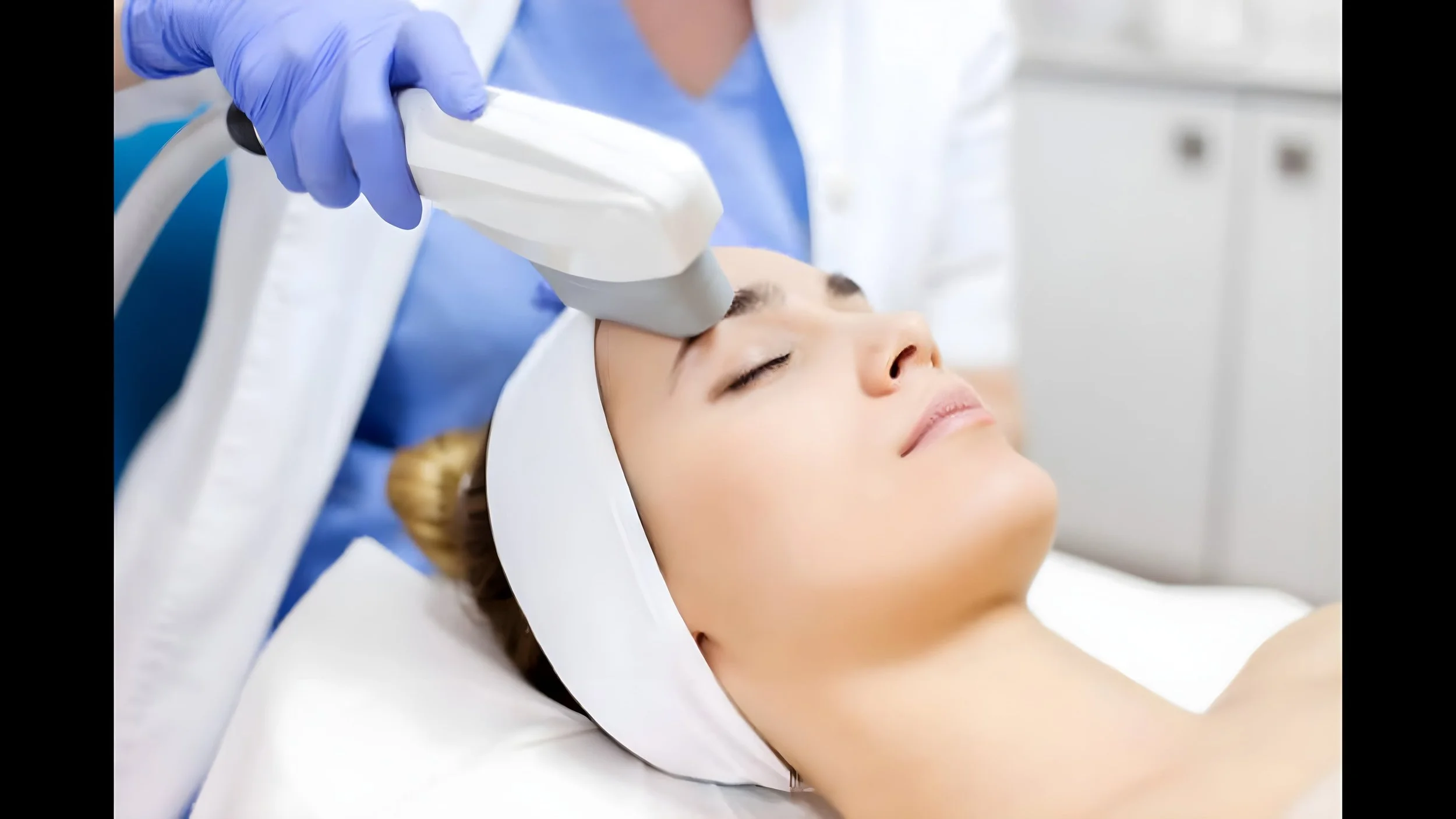
If you have started researching skin tightening treatments, one of the first questions that comes up is simple but important: how many sessions will it actually take before you notice a real difference. It is a fair question, and the honest answer is that it depends on several factors, including the treatment type, your skin's starting condition, and how your body responds to collagen stimulation over time.
This guide walks through what to realistically expect from a skin tightening plan, how different technologies like Opus Plasma and Morpheus8 compare in terms of timeline, and what tends to influence how many sessions a person needs. If you are looking into options at a med spa near me in Logan, understanding this timeline ahead of time can help you set expectations before booking a consultation.
What Skin Tightening Treatments Actually Do
Before getting into session counts, it helps to understand what these treatments are doing beneath the surface. Most non-surgical skin tightening options work by delivering controlled energy, whether radiofrequency, microneedling, or a combination of both, into the deeper layers of the skin. This triggers the body's natural healing response, which includes producing new collagen and elastin fibers over time.
Unlike surgical procedures that remove excess skin immediately, these treatments work gradually. The visible tightening effect builds as collagen regenerates, which is why a single session rarely produces the full result on its own.
Collagen Stimulation Explained
Collagen is the structural protein that keeps skin firm and elastic. Production naturally slows with age, which contributes to sagging and loss of definition over time. Skin tightening devices are designed to stimulate this process by creating controlled micro-injury in the skin, prompting the body to rebuild collagen fibers as part of its healing response.
Laser Skin Tightening Results: What to Expect Session by Session
When people search for laser skin tightening results, they are often hoping for a specific number, such as "you will see results after three sessions." In reality, the timeline is more layered than a single number can capture.
Single Session vs Multiple Sessions
A single session can produce a mild, temporary tightening effect due to immediate collagen contraction, but this initial response is usually subtle and short-lived. The more meaningful, lasting change comes from the cumulative effect of multiple sessions, as each treatment builds on the collagen stimulated by the one before it.
Most providers recommend a series of three to six sessions, spaced roughly four to six weeks apart, depending on the specific technology used and the treatment area. This spacing allows enough time between sessions for the skin to complete its healing and rebuilding cycle before the next round of stimulation.
Opus Plasma Skin Tightening: How It Fits Into a Treatment Plan
Opus Plasma skin tightening combines fractional plasma energy with radiofrequency to address both surface texture and deeper tightening in the same session. Because it works on multiple layers of skin simultaneously, many patients notice improvements in texture relatively early in the process, while the deeper tightening effect continues to develop over the following months as collagen remodeling progresses.
A typical Opus Plasma plan often involves two to three sessions, though this can vary based on the treatment area and the degree of laxity being addressed. Downtime tends to be longer than with purely radiofrequency-based treatments, since the plasma component affects the skin's surface, so providers usually build extra recovery time into the schedule between sessions.
Non-Surgical Skin Tightening: Why Multiple Sessions Matter
The broader category of non-surgical skin tightening covers a range of technologies, but nearly all of them share this same underlying pattern: results build over a series of sessions rather than appearing after one visit. This is fundamentally different from how many people expect aesthetic treatments to work, which is one reason setting realistic expectations upfront matters so much.
Multiple sessions serve two purposes. First, they allow the skin to be stimulated repeatedly, which compounds collagen production over time. Second, they let the provider assess how your skin is responding and adjust settings or focus areas for subsequent treatments, which single-session approaches simply cannot offer.
Factors That Affect How Many Treatments You Need
Several variables influence where a person falls within the typical three-to-six session range. Understanding these can help you set a realistic expectation before starting a treatment plan.
Skin laxity at the start of treatment. Mild sagging generally responds faster and may need fewer sessions than more significant laxity, which often requires a longer series to achieve a comparable improvement.
Treatment area. Thinner skin areas, such as under the eyes or the neck, may respond differently than thicker skin on the abdomen or upper arms, sometimes requiring a different session count or spacing.
Age and collagen baseline. Younger patients with more baseline collagen production often see faster, more pronounced results than older patients whose natural collagen synthesis has slowed considerably.
Lifestyle factors. Sun exposure, smoking, and overall skin health can all affect how efficiently your body responds to the collagen-stimulating effects of treatment.
Technology used. As covered above, Opus Plasma, Morpheus8, and purely radiofrequency-based devices each have somewhat different timelines and session recommendations based on how they deliver energy to the skin.
Building a Realistic Treatment Timeline
Because collagen remodeling is a biological process, it cannot be rushed by compressing sessions too close together. Providers generally space treatments to allow the skin adequate time to heal and regenerate before the next round of stimulation. Trying to shorten this timeline typically does not speed up results and can instead increase the risk of irritation without added benefit.
A realistic full timeline, from the first consultation through final results, often spans four to six months when you account for the initial session series plus the months of continued collagen development that follow the last treatment. Patients who understand this timeline from the start tend to be more satisfied with their results, simply because their expectations match how the biology actually works.
Maintenance: How Long Do Results Last
Once a full series is complete, results from non-surgical skin tightening are not permanent, since the natural aging process continues after treatment ends. Most patients maintain their results for one to two years before considering a touch-up session, though this varies based on skin type, lifestyle, and ongoing skin care habits.
Many providers recommend periodic maintenance sessions, sometimes once or twice a year, to help sustain results rather than waiting until laxity becomes noticeable again and starting a full series over.
Complementary Treatments Worth Considering
Skin tightening is often just one part of a broader skin care and aesthetics routine, and many patients combine it with other treatments to support overall results. Red light therapy, for example, is sometimes used alongside skin tightening sessions to support skin recovery and complement the collagen-building process between treatments.
For patients also interested in hair removal, laser hair removal is a separate but commonly requested service at many of the same med spa locations offering skin tightening. If you are curious about combining treatments, our page on laser hair removal in Logan Utah outlines how laser treatment for hair removal works and what to expect from a typical session, in case it is something you want to add to your appointment schedule. Patients researching laser hair reduction near me often find it convenient to address multiple aesthetic goals at a single, familiar location rather than splitting appointments across different providers.
Choosing a Med Spa Near Me for Skin Tightening in Logan
If you are comparing options for skin tightening in the Logan area, a few factors are worth considering beyond price alone. Look for a provider that offers a proper consultation before recommending a treatment plan, since your skin's condition and goals should determine the number of sessions, not a fixed package sold to everyone.
It is also worth asking what specific technology a provider uses, since Opus Plasma, Morpheus8, and standard radiofrequency devices each have different strengths depending on your skin type and the area being treated. A provider who can explain these differences clearly, rather than defaulting to one option for every patient, is generally a good sign of experience.
Conclusion
Understanding how many skin tightening treatments you actually need starts with understanding how collagen stimulation works, since lasting results build gradually across a series of sessions rather than appearing after a single visit. Factors like your skin's starting condition, the treatment area, and the specific technology used all play a role in shaping your personal timeline. If you are ready to discuss a treatment plan suited to your skin, reach out through our contact page to schedule a consultation with our team. Contact us today to take the first step toward firmer, more youthful-looking skin with a personalized treatment plan designed around your goals.
Frequently Asked Questions
-
Most patients need a series of three to six sessions, depending on the technology used and the degree of skin laxity being treated. A consultation is the most reliable way to get a personalized estimate.
-
A single session can produce a mild, temporary effect, but the more significant, lasting improvement typically develops gradually across a full series of sessions as collagen rebuilds.
-
Opus Plasma combines fractional plasma energy with radiofrequency and often addresses both surface texture and deeper tightening, while Morpheus8 focuses on microneedling combined with radiofrequency delivered deeper into the skin. Both typically require a short series of sessions rather than a single treatment.
-
Results generally last one to two years, though this depends on skin type and lifestyle factors. Periodic maintenance sessions can help sustain results over time.
-
Yes. Many patients combine skin tightening with other services such as laser hair removal or red light therapy during the same treatment plan, since these are often offered at the same med spa location.
