
PRF Microneedling vs Traditional Microneedling: Which Treatment Delivers Better Skin Rejuvenation?
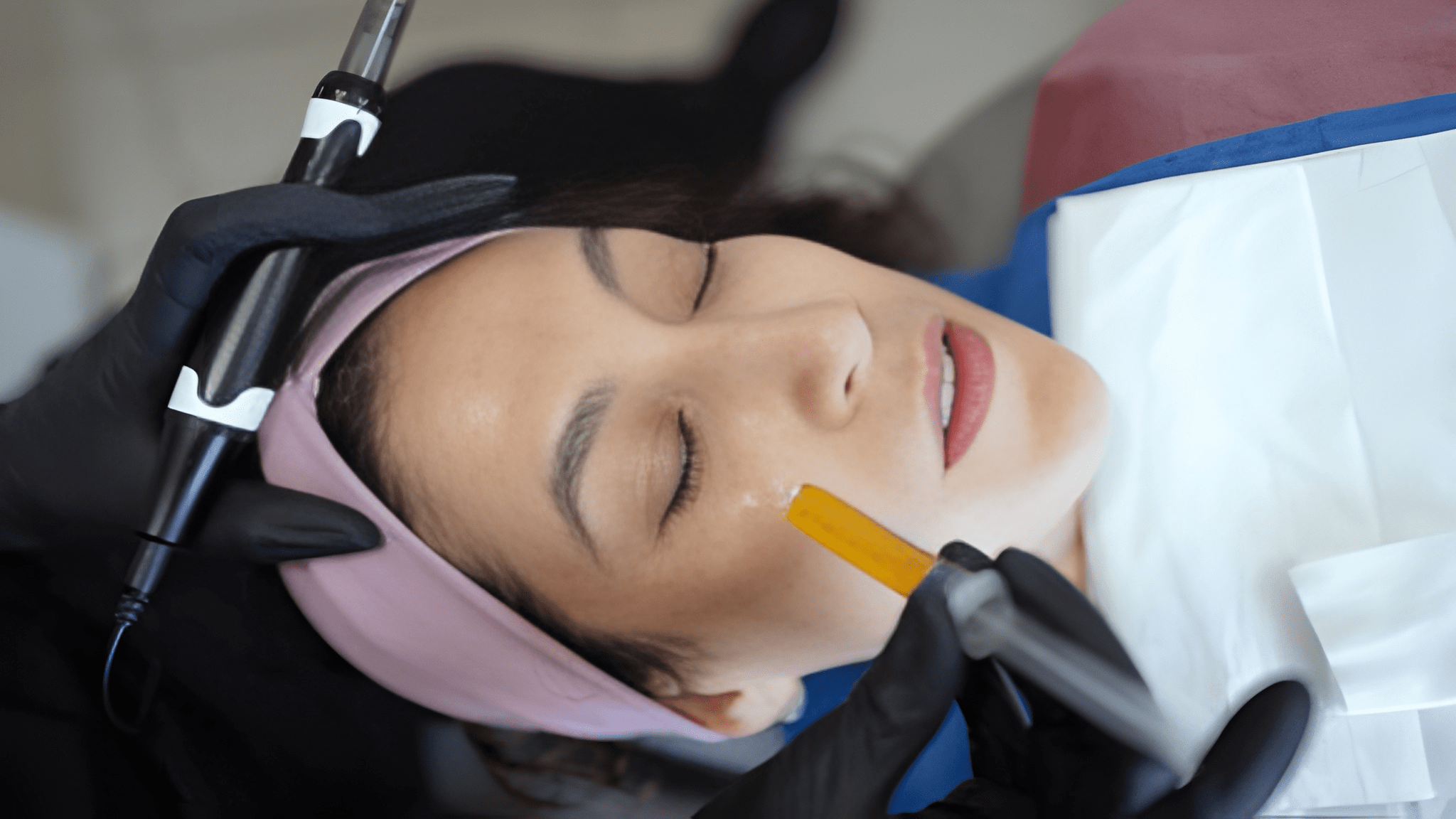
Skin treatments have come a long way in recent years, and microneedling is one option that many people consider when they want to improve the appearance of skin texture, fine lines, or acne scars.
Two treatments that often come up are PRF microneedling and traditional microneedling. Both use tiny needles to create controlled micro-injuries in the skin, which can trigger the body's natural wound-healing response. The main difference is that PRF microneedling adds platelet-rich fibrin, or PRF, made from a small sample of your own blood.
This guide explains how both treatments work, how they differ, and what you may be able to expect. If you want to explore microneedling treatments further, you can also learn more about the options available in Logan, Utah.
What Is Traditional Microneedling?
Traditional microneedling uses a device equipped with fine needles to create tiny channels in the skin. These controlled micro-injuries can stimulate the skin's natural healing response.
As the skin heals, it may produce new collagen and elastin. These proteins play an important role in maintaining the skin's structure and elasticity. Over time, a series of treatments may help improve the appearance of fine lines, acne scars, uneven texture, and other common skin concerns.
Microneedling is also known as collagen induction therapy because of its ability to stimulate the body's natural collagen-production process.
Traditional microneedling can be used for a range of cosmetic concerns. However, some people may be interested in adding PRF to their treatment. This is where PRF microneedling differs from standard microneedling.
What Is PRF Microneedling?
PRF stands for platelet-rich fibrin. Like traditional microneedling, the treatment uses fine needles to create controlled channels in the skin.
The additional step involves taking a small sample of the patient's blood. The sample is processed in a centrifuge to separate components that contain platelets and fibrin. The resulting PRF can then be applied to the skin during or around the microneedling treatment.
PRF contains platelets and naturally occurring proteins and growth factors involved in the body's healing processes. Because the PRF is prepared from the patient's own blood, the treatment is sometimes referred to as a PRF facial or PRF microneedling facial.
The goal is to combine the collagen-stimulating effects of microneedling with the properties of PRF. While some people may notice additional improvements with PRF, results can vary from person to person.
How PRF Microneedling Works Step by Step
Knowing what happens during treatment can make the process easier to understand.
Step 1: Blood Draw
A small amount of blood is collected from your arm. The process is similar to a standard blood draw and generally takes only a few minutes.
Step 2: Processing the Blood
The blood sample is placed into a centrifuge. The centrifuge spins the sample to separate its components. The PRF portion is then prepared for use during the treatment.
Step 3: Preparing the Skin
Your skin is cleansed and prepared before microneedling begins. Depending on the provider and treatment plan, a topical numbing cream may be used to help reduce discomfort.
Step 4: Microneedling With PRF
The provider uses a microneedling device to create controlled micro-channels in the skin. PRF may be applied to the treatment area so it can come into contact with the freshly treated skin.
Step 5: Recovery
After treatment, the skin may appear red or feel warm, tight, or mildly sensitive. These effects are generally temporary, although the length of recovery can vary depending on the treatment depth, individual skin response, and other factors.
Key Differences Between PRF Microneedling and Traditional Microneedling
Both treatments are based on microneedling, but PRF adds an additional component to the process.
Healing Time
Traditional microneedling often involves temporary redness and sensitivity following treatment. Many people can expect these effects to improve within a day or several days, depending on the treatment.
PRF microneedling may have a similar recovery period, although some people may experience additional redness or swelling. Your provider can give you more specific guidance based on the treatment being performed.
Potential Results
Traditional microneedling works by stimulating the skin's natural healing response and collagen production. With a series of treatments, it may help improve the appearance of fine lines, acne scars, and uneven texture.
PRF microneedling combines this process with PRF. Some patients may experience additional improvements in skin texture or overall appearance, but results are not guaranteed and can vary based on factors such as skin condition, treatment technique, and individual healing.
Cost
PRF microneedling generally costs more than traditional microneedling because it includes the additional blood-draw and processing steps.
The exact price can vary between providers and may also depend on the treatment area and number of sessions recommended.
Ideal Skin Concerns
Traditional microneedling may be appropriate for people looking to address concerns such as mild textural irregularities, fine lines, enlarged pores, or certain types of acne scarring.
PRF microneedling may appeal to people who want to combine microneedling with PRF as part of a more comprehensive skin-rejuvenation plan. Whether it is appropriate for deeper scarring, uneven tone, or other concerns depends on an individual's skin and treatment goals.
PRF Microneedling vs. Traditional Microneedling
Factor
Traditional Microneedling
PRF Microneedling
Process
Fine needles create controlled micro-channels in the skin
Microneedling is combined with PRF prepared from the patient's own blood
Recovery
Temporary redness and sensitivity are common
Similar recovery may occur, with some people experiencing additional redness or swelling
Cost
Generally lower
Generally higher because of blood processing
Best suited for
Fine lines, texture concerns, pores, and certain types of scarring
People interested in combining microneedling with PRF as part of their treatment plan
Downtime
Usually limited, but varies by treatment
Usually limited, but individual recovery varies
Results timeline
Improvements generally develop gradually as the skin remodels
Improvements also develop gradually and may vary from person to person
This side-by-side comparison can help you understand the basic differences before discussing your options with a qualified provider.
Potential Benefits of PRF Microneedling
PRF microneedling combines two approaches: controlled microneedling and the application of PRF.
Because PRF contains platelets and naturally occurring growth factors, it may support the body's normal healing processes. Some people may notice improvements in the appearance of skin texture, fine lines, or overall skin radiance following a series of treatments.
The treatment may also be appealing to people who prefer an approach that uses a substance derived from their own blood rather than a separately manufactured product.
Potential Benefits of Traditional Microneedling
Traditional microneedling remains a popular option for people interested in improving the appearance of their skin without adding PRF to the treatment.
Potential benefits may include:
Improving the appearance of uneven skin texture
Softening the appearance of fine lines
Reducing the appearance of certain acne scars
Supporting collagen production
Improving the overall appearance of the skin over time
Providing a minimally invasive treatment option
Traditional microneedling can also be a practical starting point for people who are new to professional skin treatments.
Who May Consider PRF Microneedling?
PRF microneedling may be worth discussing with a qualified provider if you are interested in:
Improving the appearance of acne scars
Addressing uneven skin texture
Reducing the appearance of early fine lines
Supporting overall skin rejuvenation
Combining microneedling with PRF as part of a personalized treatment plan
Whether PRF is appropriate depends on factors such as your skin condition, medical history, treatment goals, and overall suitability for microneedling.
A consultation is the best way to determine whether PRF microneedling is an appropriate option for you.
Who May Consider Traditional Microneedling?
Traditional microneedling may be a good option for people who:
Are new to professional microneedling
Want to address mild texture concerns
Are interested in improving the appearance of fine lines or pores
Want to address certain types of acne scarring
Prefer a treatment that does not involve a blood draw
Want a straightforward approach to skin rejuvenation
The best treatment depends on your individual concerns rather than simply choosing the treatment with the most added features.
How Many Sessions Are Needed?
The number of treatments needed varies from person to person.
Depending on your goals and the condition being treated, a provider may recommend a series of microneedling sessions spaced several weeks apart. Some people may see noticeable changes after a few treatments, while others may need additional sessions.
PRF microneedling may also be performed as a series rather than as a one-time treatment, depending on the treatment plan.
During your consultation, ask your provider how many sessions they recommend for your specific goals and why.
Combining Microneedling With Other Treatments
Some people combine microneedling with other skincare or aesthetic treatments. For example, red light therapy may be incorporated into certain treatment plans.
However, combining treatments is not automatically appropriate for everyone. The timing and combination of procedures should be determined by a qualified provider based on your skin and treatment goals.
If you are exploring microneedling in Logan, Utah, discussing your current skincare routine and any other aesthetic treatments with your provider can help you develop an appropriate treatment plan.
Choosing the Right Provider
Both traditional microneedling and PRF microneedling involve controlled treatment of the skin, so choosing an experienced and appropriately trained provider is important.
A qualified provider should review your skin concerns, medical history, treatment goals, and expectations before recommending a procedure. They should also explain potential benefits, limitations, side effects, recovery, and aftercare.
At Refined Aesthetics and Wellness, providers can discuss both microneedling options and help clients understand which approach may fit their individual skin goals.
Rather than assuming that PRF is always the better choice, a consultation can help you understand whether the additional treatment is appropriate for your needs.
Is PRF Microneedling Worth the Extra Cost?
Whether PRF microneedling is worth the additional cost depends on your goals and preferences.
If you are interested in combining microneedling with PRF, the additional blood-draw and processing steps may make the treatment more appealing to you. Some people may notice improvements in the appearance of their skin following PRF microneedling, but individual results can differ.
If your main goal is general skin maintenance, fine lines, or mild texture concerns, traditional microneedling may be a reasonable option to discuss with your provider.
The more expensive treatment is not necessarily the right treatment for every person. A personalized consultation can help you compare the options based on your skin concerns, budget, and expectations.
Conclusion
Both PRF microneedling and traditional microneedling can be considered for people looking to improve the appearance of skin texture, fine lines, and certain types of scarring.
Traditional microneedling uses controlled micro-injuries to stimulate the skin's natural healing response and may support collagen production over time. PRF microneedling adds platelet-rich fibrin prepared from your own blood to the treatment.
PRF may provide additional benefits for some patients, but results vary and it is not automatically the best option for everyone.
Your choice should depend on your skin concerns, treatment goals, budget, and recommendations from a qualified provider. If you are ready to explore microneedling options in Logan, Utah, you can book a consultation to discuss which treatment may be appropriate for you.
Frequently Asked Questions
-
Traditional microneedling uses fine needles to create controlled micro-channels in the skin and stimulate the body's natural healing response. PRF microneedling uses the same basic microneedling process but adds platelet-rich fibrin prepared from a small sample of the patient's own blood.
-
Both treatments can cause some discomfort. Many providers use a topical numbing cream before microneedling to make the procedure more comfortable. The level of discomfort can vary depending on the treatment area, needle depth, and individual sensitivity.
-
Results vary from person to person and depend on factors such as the condition being treated, number of sessions, skincare routine, and individual skin response. Some improvements may last for several months, but maintenance treatments may be recommended depending on your goals.
-
Potentially, but it depends on the treatments involved and your individual skin. Some providers may incorporate treatments such as red light therapy into a skincare plan. Your provider should determine whether combining treatments is appropriate and how they should be scheduled.
-
Yes. Traditional microneedling can be used to address a variety of cosmetic concerns, including the appearance of fine lines, uneven texture, pores, and certain types of acne scarring. Results vary, and a series of treatments may be recommended depending on your goals.
