
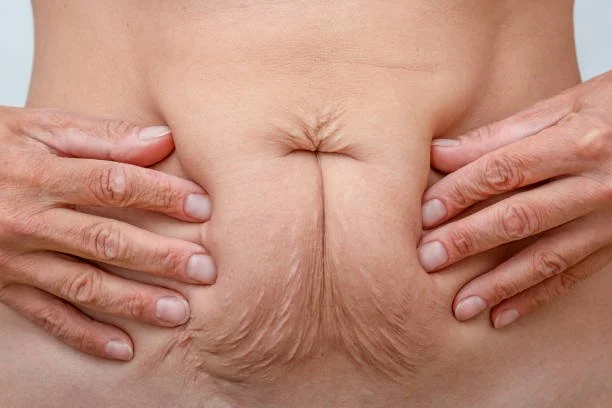
Losing weight is a real achievement. It takes months or even years of steady effort, and the health benefits are often easy to feel. Many people, however, notice something unexpected once the scale settles. The skin does not always shrink back as quickly as the body does. Loose skin after weight loss can show up on the belly, arms, thighs, chest, and neck, and it can make a person feel unsure about the results they worked so hard for.
If this sounds familiar, you are not alone, and you have more choices than you might think. Surgery is one path, but it is not the only one. Many adults with mild to moderate laxity look into non-surgical skin tightening as a way to improve firmness without incisions or long recovery periods. At Refined Aesthetics in Logan, Utah, questions about post-weight-loss skin come up often, and the answers depend on the person, the area, and the amount of laxity involved.
Why Loose Skin Happens After Weight Loss
Before looking at treatment, it helps to understand the cause. Skin is an organ that stretches and adapts. When the body gains weight, the skin expands to cover it. When the weight comes off, the skin has to contract. Sometimes it can, and sometimes it cannot fully.
The Role of Collagen and Elastin
Two proteins give skin its strength and bounce. Collagen provides structure and firmness. Elastin allows the skin to stretch and return to its original shape. Over time, especially after long periods of stretching, these fibers can become damaged or weaker. When that happens, the skin loses some of its ability to snap back.
Factors That Affect How Much Skin Loosens
Not everyone who loses weight ends up with the same amount of loose skin. Several factors play a part:
Amount of weight lost: Larger losses tend to leave more excess skin.
Speed of weight loss: Faster loss gives the skin less time to adapt.
Length of time at a higher weight: Skin that has been stretched for many years has a harder time recovering.
Age: Collagen production slows naturally as we get older.
Genetics: Some people simply have more elastic skin than others.
Sun exposure and smoking: Both damage collagen and reduce skin quality.
Hydration and nutrition: Skin needs enough protein and fluids to repair itself.
Knowing which of these apply to you can help set realistic expectations. A person who lost 25 pounds over a year at age 35 will usually respond differently from a person who lost 100 pounds over several months at age 55.
What Is the Best Non-Surgical Treatment for Loose Skin After Weight Loss?
This is the question most people ask first, and the honest answer is that no single treatment is best for everyone. The best non-surgical treatment for loose skin after weight loss depends on how much laxity you have, where it is located, your skin type, and how much time you can commit to a treatment series.
In general, most non-surgical skin tightening treatments work by delivering controlled energy to the deeper layers of the skin. This gentle heat triggers the body's natural repair process, which leads to collagen stimulation over time. The results build gradually, and most people need more than one session.
Radiofrequency Treatments
Radiofrequency, often shortened to RF, uses energy waves to heat the deeper layers of skin. The heat causes existing collagen fibers to contract slightly and signals the body to produce new collagen. RF is widely used for body skin tightening because it can treat larger areas such as the abdomen, thighs, and upper arms.
Ultrasound-Based Tightening
Focused ultrasound sends energy to specific depths beneath the skin without harming the surface. It is often used on the face, neck, and sometimes the body. Because it can reach deeper tissue layers, it is a common choice for mild lifting and firming.
Microneedling With or Without Radiofrequency
Microneedling creates tiny controlled channels in the skin. The body responds by repairing those channels and producing new collagen. When combined with radiofrequency, the energy is delivered through the needles to reach deeper layers.
Laser-Based Skin Tightening
Certain lasers heat the skin to stimulate collagen without removing it. Some are better suited to the face and neck, while others can be used on the body. Laser treatments can also improve skin tone and texture, which may be helpful if stretch marks or uneven pigmentation are also a concern.
Injectable Collagen Stimulators
Some providers offer injectable products designed to encourage the body to build its own collagen. These are used in select areas and are usually part of a broader plan rather than a stand-alone solution. Whether they are suitable depends on the area, the provider's training, and your health history.
Which Areas Respond Best to Body Skin Tightening?
Loose skin does not look the same on every part of the body, and each area responds a little differently. Here is how treatment often looks by area.
Abdomen
The abdomen is one of the most common areas of concern. Skin here may have been stretched the most, particularly after pregnancy or significant weight change. Body skin tightening with RF or microneedling combined with RF is often discussed for this area. Mild to moderate looseness tends to respond better than a large, hanging apron of skin.
Upper Arms
Loose skin on the underside of the arms is very common after weight loss. Because the skin is thin and the area is smaller, it can respond well to energy-based treatments. Strength training can also improve the look of the arms by building muscle underneath.
Thighs and Knees
Inner thigh skin can feel soft and crinkled after weight loss. Radiofrequency is often chosen here. Results are usually subtle to moderate, and several sessions are typical.
Neck, Jawline, and Face
When weight is lost, the face and neck may show it first. Fat in the cheeks and under the chin decreases, and the skin can look less defined. Facial and neck tightening treatments are well suited to these areas, and a skilled facialist near me searcher might look for can also support overall skin health with professional facials between tightening sessions.
When Non-Surgical Treatment Works Well, and When It May Not
Honesty matters when talking about skin laxity treatment. Non-surgical options are helpful for many people, but they have limits.
Good Candidates for Non-Surgical Skin Tightening
You may be a good candidate if you have:
Mild to moderate looseness rather than large folds of skin
Reasonably stable weight for at least several months
Realistic expectations about gradual improvement
A willingness to complete a full series of sessions
No conditions that make energy-based treatment unsafe
When Surgery May Be a Better Choice
If a large amount of excess skin hangs from the body, energy-based treatments are unlikely to remove it. Heat and collagen stimulation can improve firmness and texture, but they cannot take away excess volume of skin. In these cases, a plastic surgeon can explain surgical options such as a panniculectomy, tummy tuck, or arm lift.
Weight Loss Medications and Skin Changes
More adults are losing weight with medical support, including prescription options such as semaglutide and tirzepatide. These medications can help people lose a meaningful amount of weight, and in some cases the loss happens fairly quickly. Rapid weight loss gives skin less time to adjust, which is one reason some people notice looseness appearing sooner than expected.
Some practical points to keep in mind:
Go at a steady pace when possible. A gradual rate gives skin more time to adapt.
Keep protein intake adequate. Protein supports collagen and muscle.
Add resistance training. Muscle helps fill out areas where fat has decreased.
Talk to your clinician about changes. Report concerns such as unusual fatigue, hair thinning, or rapid changes in skin.
Refined Aesthetics & Wellness describes its approach as combining aesthetics with broader health support. Its wellness services include programs related to weight loss and other areas of women health wellness, which can be relevant for people who want their skin goals and their overall health goals considered together.
What to Expect During a Skin Tightening Treatment Plan
Knowing the typical process can remove a lot of the uncertainty. While every provider works differently, most treatment plans follow a similar path.
Step 1: Consultation and Skin Assessment
A provider will look at your skin, ask about your weight loss history, and discuss your goals. They will also ask about your health history, medications, and any previous procedures. This is a good time to ask about the number of sessions, expected outcomes, costs, and risks.
Step 2: Building a Plan
Based on the assessment, the provider may recommend one treatment or a combination. For example, a plan might use radiofrequency for the abdomen and arms, with facial treatments for the neck and face. Spacing between sessions is usually a few weeks, which gives the skin time to respond.
Step 3: Treatment Sessions
Sessions can range from about 20 minutes to an hour or more, depending on the area. You may feel warmth, mild tingling, or pressure. Skin may look pink for a short time afterward.
Step 4: Aftercare and Follow-Up
Aftercare is usually simple. It often includes gentle skin care, sun protection, drinking enough water, and avoiding harsh products for a short time. Follow-up visits help track progress and decide if more sessions are needed.
How Long Do Results Take?
Collagen stimulation is gradual. Some people notice slight tightening within a few weeks, but the full effect often takes two to six months after the final session. Results are not permanent in the sense that skin continues to age, but they can last well when supported by stable weight and healthy habits. Many providers suggest occasional maintenance sessions.
Conclusion
Loose skin after weight loss is common, and it does not take away from what you have achieved. The best non-surgical treatment for loose skin after weight loss depends on your skin, the area of concern, and the amount of laxity. Radiofrequency, ultrasound, microneedling with RF, laser treatments, and collagen stimulators each have a place, and many people see the best results from a plan that combines more than one approach with healthy daily habits.
If you would like to talk through your options, the team at Refined Aesthetics & Wellness can review your goals and explain what may be realistic for you. You can contact Refined Aesthetics & Wellness to ask questions or request a consultation. You can also read about the wellness services offered alongside aesthetic care.
Frequently Asked Questions
-
There is no single best option for everyone. Radiofrequency is a common choice for larger body areas, while microneedling with RF, ultrasound, and laser treatments may suit other needs. The right choice depends on the amount of laxity, your skin type, and your goals. A consultation helps match you to the most suitable approach.
-
Mild looseness can improve over time, especially in younger people who lost weight slowly. Skin that has been stretched for many years or after major weight loss is less likely to tighten fully without help. Healthy habits such as strength training, good nutrition, and sun protection can support the process.
-
Most people need a series of sessions rather than one visit. Radiofrequency and microneedling plans often involve several sessions spaced a few weeks apart. Some focused ultrasound treatments may need only one to three sessions. Your provider will give an estimate after assessing your skin.
-
Most people feel warmth, tingling, or mild pressure rather than significant pain. Many treatments have little or no downtime, while microneedling and some lasers can cause redness for a day or more. Your provider should explain what to expect and how to care for your skin afterward.
-
Results can last for a year or more, but skin keeps aging, so they are not permanent. Keeping a stable weight, protecting your skin from the sun, and following a healthy lifestyle can help results last longer. Some people choose occasional maintenance sessions to keep their progress.
