
HydraFacial vs Chemical Peel: What’s Best for Your Skin Type?
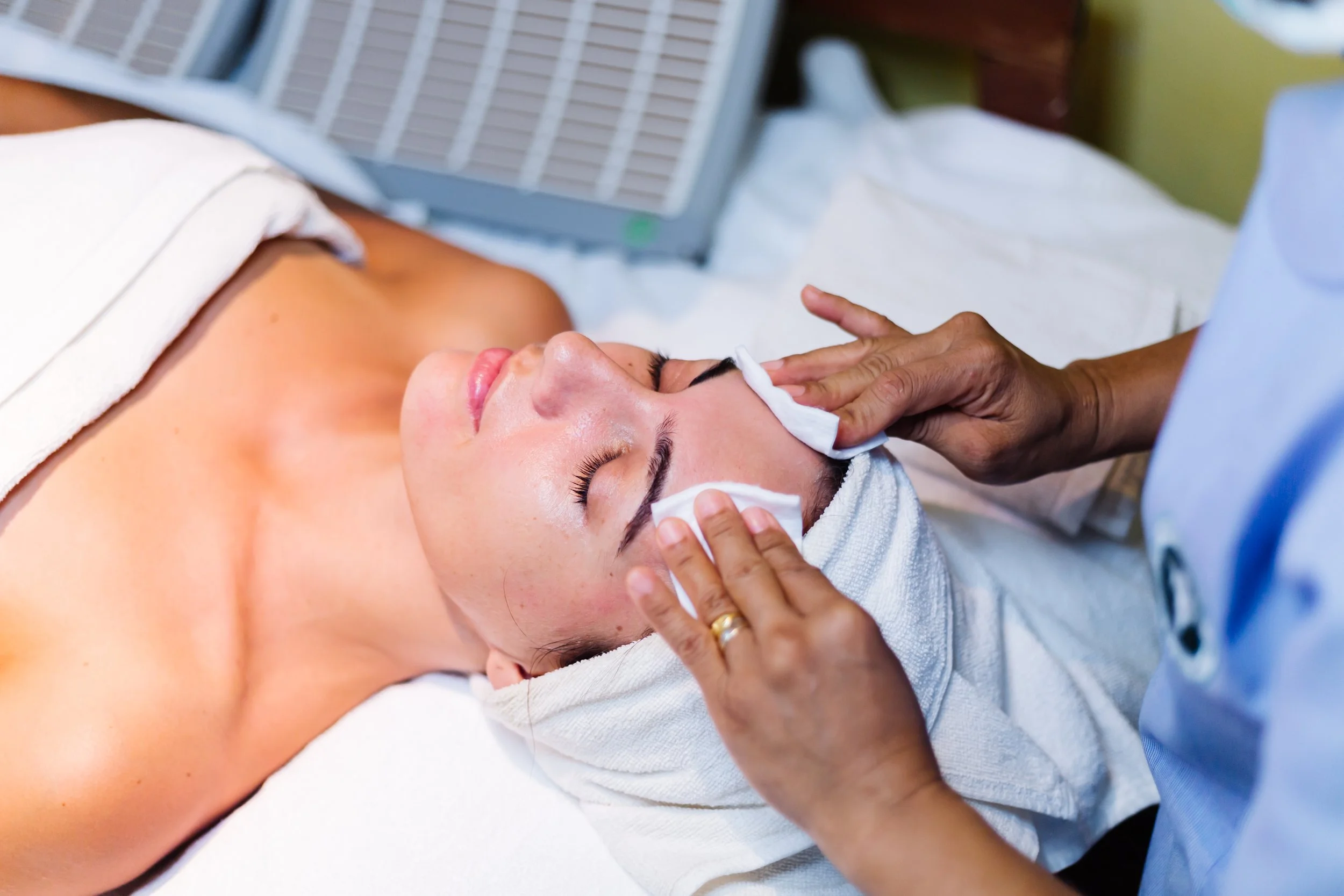
Achieving radiant, healthy skin often comes down to choosing the right resurfacing treatment for your specific concerns and skin type. Two of the most popular non-invasive options today are HydraFacial and chemical peel treatments. Both aim to improve texture, tone, and overall skin clarity, yet they work in different ways and suit different needs.
At the end of the day, the best choice depends on your goals, sensitivity level, and desired downtime. Clinics like Refined Aesthetics and Wellness specialize in personalized skin rejuvenation plans that help clients select the most effective treatment for long-term glow and skin health.
Understanding Skin Resurfacing Treatments
Skin resurfacing refers to procedures that remove dead skin cells and stimulate fresh cell turnover to reveal smoother, brighter skin underneath. Over time, factors such as sun exposure, pollution, aging, and acne can lead to uneven texture, hyperpigmentation, enlarged pores, and fine lines. Treatments like HydraFacial and chemical peels address these issues through exfoliation and renewal.
While both procedures fall under the exfoliation and skin rejuvenation category, their techniques and intensity differ significantly. HydraFacial uses a device-based hydradermabrasion system with serums, while chemical peels rely on acid solutions to dissolve the outer layers of skin.
Understanding how each works is the first step in determining what suits your skin best.
What Is a HydraFacial?
HydraFacial is a multi-step facial treatment that cleanses, exfoliates, extracts impurities, and hydrates the skin simultaneously. It uses a vortex-fusion technology to deliver nourishing serums while gently removing debris and dead skin cells.
How HydraFacial Works
The procedure typically includes the following stages:
Gentle cleansing and exfoliation to remove surface impurities
Mild acid peel to loosen debris in pores
Vacuum-assisted extraction to clear congestion
Infusion of hydrating and antioxidant serums
This combination provides instant glow with minimal irritation. Because the exfoliation is gentle and controlled, HydraFacial is suitable even for sensitive skin types.
Key Benefits of HydraFacial
HydraFacial is known for delivering immediate visible results without downtime. Its main advantages include:
Deep hydration and plumping of skin
Improved texture and brightness
Reduction in mild acne and congestion
Minimization of enlarged pores
Enhanced serum absorption
Many people choose HydraFacial for regular maintenance, especially before events, because the skin appears refreshed right away.
What Is a Chemical Peel?
A chemical peel is a resurfacing treatment that uses exfoliating acids to remove damaged outer layers of skin. Depending on the formulation and strength, peels can target superficial issues or deeper concerns such as acne scars and pigmentation.
Types of Chemical Peels
Chemical peels vary in intensity and penetration level:
Superficial peels use mild acids like glycolic or lactic acid for light exfoliation
Medium peels often contain trichloroacetic acid to treat pigmentation and wrinkles
Deep peels penetrate deeper layers for significant rejuvenation
The stronger the peel, the more dramatic the results, but also the longer the recovery time.
Chemical Peel Benefits
Chemical peels are especially effective for correcting visible skin concerns rather than simple maintenance. Their benefits include:
Reduction of hyperpigmentation and sun damage
Smoothing of fine lines and wrinkles
Improvement in acne and acne scars
Evening out skin tone
Stimulating collagen production
Because peels remove damaged cells, they encourage new skin growth and can produce long-lasting rejuvenation.
HydraFacial vs Chemical Peel: Key Differences
Both treatments aim to resurface and improve skin, yet they differ in approach, intensity, and recovery. Understanding these distinctions helps determine which suits your lifestyle and goals.
Exfoliation Method
HydraFacial uses mechanical and serum-based exfoliation. It gently lifts debris while hydrating the skin.
Chemical peels use controlled chemical exfoliation. Acids dissolve bonds between dead cells, causing them to shed.
HydraFacial is therefore gentler, while peels are more corrective.
Skin Concerns Addressed
HydraFacial works best for:
Dehydration
Mild acne
Dullness
Early aging signs
Enlarged pores
Chemical peels are better for:
Pigmentation
Sun damage
Acne scars
Uneven texture
Wrinkles
If your goal is glow and maintenance, HydraFacial often suffices. If you need correction, peels provide deeper resurfacing.
Downtime and Recovery
HydraFacial has virtually no downtime. Skin may appear slightly pink for a few hours, but is immediately radiant.
Chemical peels may involve redness, peeling, or flaking for several days, depending on the strength. Medium or deep peels can require a week or more of recovery.
People with busy schedules or events often prefer HydraFacial for this reason.
Treatment Frequency
HydraFacial can be done monthly as part of a skincare routine. It maintains hydration and clarity.
Chemical peels are typically spaced weeks or months apart, depending on strength and skin response.
Many clients alternate between the two treatments throughout the year for optimal results.
Choosing Based on Skin Type
Selecting the right treatment depends heavily on your skin type and tolerance.
Sensitive Skin
HydraFacial is generally safer for sensitive or reactive skin because it avoids aggressive exfoliation. The infusion of soothing serums reduces irritation risk.
Superficial peels may still be suitable if carefully selected, but stronger peels can trigger redness or inflammation.
Oily and Acne-Prone Skin
Both treatments help acne, but in different ways.
HydraFacial removes congestion and balances oil production without irritation. It suits mild acne and blackheads.
Chemical peels penetrate deeper to reduce bacteria, unclog pores, and fade acne marks. They work well for persistent breakouts or scarring.
Many dermatology clinics combine peels with other therapies, such as laser treatment for hair removal or light-based treatments to address underlying skin concerns affecting acne patterns.
Dry or Dehydrated Skin
HydraFacial excels for dehydrated skin because it infuses hyaluronic acid and nourishing ingredients. It restores moisture while exfoliating gently.
Chemical peels can help remove flaky buildup but may temporarily increase dryness during recovery. Hydration aftercare becomes essential.
Mature or Aging Skin
Aging skin often benefits from both approaches.
HydraFacial improves plumpness and radiance, reducing fine lines caused by dehydration.
Chemical peels stimulate collagen and address wrinkles and sun damage more deeply.
A personalized plan often alternates gentle hydration treatments with periodic corrective peels.
Treatment Experience and Comfort
Comfort level during treatment also influences choice.
HydraFacial feels like a cooling, vacuum-like facial with light exfoliation. Most people find it relaxing and spa-like.
Chemical peels may cause tingling or burning sensations during application. Stronger peels can feel intense but are temporary.
Pain tolerance and expectations should be considered before selecting a procedure.
Results Timeline and Expectations
Understanding when results appear helps align treatments with goals.
HydraFacial results are immediate. Skin looks glowing, smooth, and hydrated right after the session. Improvements continue over the days as hydration increases.
Chemical peel results appear gradually. Peeling occurs first, followed by fresh skin revealing itself. Final improvements often show after one to two weeks.
For events or quick radiance, HydraFacial is preferred. For long-term correction, peels provide cumulative improvement.
Combining HydraFacial and Chemical Peels
Many skincare professionals recommend combining both treatments in a yearly plan rather than choosing only one.
A common approach:
Monthly HydraFacial for hydration and maintenance
Seasonal chemical peel for deeper resurfacing
This strategy addresses both surface glow and structural correction. It also minimizes over-exfoliation risk because treatments are spaced appropriately.
Combination plans often deliver better texture, tone, and elasticity than either treatment alone.
Safety and Professional Assessment
Although both treatments are non-surgical, professional evaluation remains essential. Skin sensitivity, medical history, medications, and pigmentation risk all influence treatment choice and strength.
Improperly selected peels can cause irritation or hyperpigmentation, especially in darker skin tones. Over-frequent exfoliation can also compromise the skin barrier.
Qualified aesthetic providers assess:
Skin type and Fitzpatrick level
Current skincare routine
Sensitivity and barrier health
Target concerns
Lifestyle and downtime tolerance
This ensures safe, effective resurfacing without complications.
Cost Considerations
Cost varies by clinic, treatment intensity, and add-ons.
HydraFacial typically costs less per session but is performed more frequently.
Chemical peels may cost more depending on depth, yet require fewer sessions.
Long-term value depends on goals. Maintenance-focused clients often invest in HydraFacial regularly. Correction-focused clients invest in periodic peels.
Many clinics offer treatment packages that combine both for cost efficiency.
Which Treatment Is Best for You?
Choosing between HydraFacial and chemical peel ultimately depends on what your skin needs most right now.
HydraFacial is best if you want:
Instant glow
Hydration boost
Minimal downtime
Gentle maintenance
Sensitive-skin compatibility
Chemical peel is best if you want:
Pigmentation correction
Acne scar improvement
Wrinkle reduction
Texture smoothing
Long-term rejuvenation
Some individuals begin with HydraFacial to strengthen the skin barrier, then progress to peels for deeper resurfacing.
Conclusion
HydraFacial and chemical peel treatments are both powerful tools in modern skin rejuvenation, yet they serve different purposes. HydraFacial focuses on hydration, gentle exfoliation, and immediate radiance, making it ideal for ongoing skin maintenance.
Chemical peels deliver deeper correction for pigmentation, scarring, and aging concerns, producing more dramatic long-term improvements. The most effective skincare strategies often integrate both approaches under professional guidance to balance glow and correction.
If you are ready to enhance your skin health and discover which resurfacing treatment suits your skin type, Book Your Appointment with a qualified aesthetic specialist to create a personalized rejuvenation plan.
FAQs
-
Both help acne differently. HydraFacial clears pores and reduces oil gently, making it suitable for mild acne. Chemical peels penetrate deeper to reduce bacteria and acne scars, making them better for persistent or severe acne.
-
HydraFacial can be done every 4 to 6 weeks for maintenance. Chemical peels are typically done every 4 to 12 weeks, depending on strength and skin tolerance.
-
Yes, mild redness and peeling can occur for several days after superficial or medium peels. Deep peels require longer recovery. HydraFacial has little to no downtime.
-
Sensitive skin can tolerate gentle superficial peels when selected carefully by a professional. However, HydraFacial is generally safer and more comfortable for highly reactive skin.
-
Yes. Many skincare plans include regular HydraFacials for hydration and occasional chemical peels for deeper resurfacing. This combination often provides optimal results.
